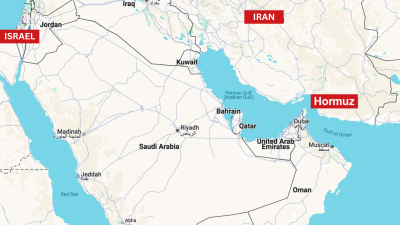
Sunday, June 7, marked the 100th day of the U.S. and Israel’s unprovoked war of imperialist aggression against Iran—a criminal war of multiple war crimes, beginning with the slaughter of over 165 school children in southern Iran.
At this writing, the situation in the Middle East remains complex and extremely volatile, with the real danger of renewed war.
Negotiations to end the war are continuing between the U.S. and Iran, but it’s unclear whether real progress is being made or if they will ever succeed. The ceasefire between the two countries, declared on April 7, remains in place, yet frequent tit-for-tat military clashes between them continue, as does the U.S. naval blockade of Iran’s ports—an act of war.
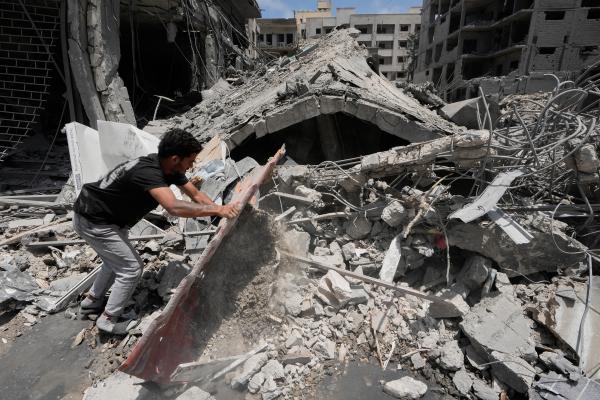
Destruction from an Israeli airstrike in the southern port city of Tyre, Lebanon, June 2, 2026. Photo: AP
Meanwhile, Israel continues to escalate its genocidal war on Lebanon and Iran’s Lebanese ally Hezbollah. So far at least 3,558 Lebanese have been killed and another 10,870 wounded, while wide swaths of southern Lebanon have been seized by Israel and ruthlessly depopulated and destroyed.
Israel’s war is closely connected to the U.S.-Iran negotiations because Iran is demanding that any agreement must include an end to the war on all fronts—including Israel’s war on Lebanon, a position the Israelis adamantly oppose.
This complex tangle of contradictions was on display this past week. On Monday, June 1, Trump was reported by the website Axios to have cursed out Israeli Prime Minister Benjamin Netanyahu for threatening to renew Israel’s bombing of Beirut, Lebanon’s capital.
Why? Because such an escalation could torpedo U.S. negotiations with Iran, which has threatened to walk away from the talks if Israel continues its war. And at this point it appears that the Trump regime feels these negotiations are its best bet for ending the war, achieving some of its aims, and limiting the damage the war has done to U.S. imperialist interests in the Middle East and beyond.
Netanyahu temporarily held back, but then on Sunday June 7, Israel did bomb southern Beirut, supposedly in retaliation for a Hezbollah rocket attack on northern Israel. Within hours, Iran retaliated by carrying out missile strikes on Israel for the first time in two months.
This back and forth threatened to unleash an escalating spiral of attacks and counter-attacks. According to Axios, Trump called Netanyahu and told him that the Iranian strikes “didn’t hurt anyone” and he shouldn’t retaliate. However, it remains unclear exactly how much or little support the U.S. would give Israel in the event of future clashes with Iran.
All this points to the extreme volatility and danger that’s been created by the U.S.-Israeli war on Iran, and the urgent need for far more people in this country to actively demand that it end.